


The global adult sex toys market is on the current booming traction. 37.2 billion by 2023, it is expected to register a CAGR of almost 9% during the forecast period (2018-2030).
There are three clear drivers behind this growth: New attitudes to sexual wellness as a kind of everyday self-care — The popularity of vibrators for women around the world — Accelerating adoption of smart and app-connected devices. Between them, they are redefining how we as consumers relate to intimacy and wellness.
This report eamines the factors disrupting the industry — from innovation and product design to regional growth patterns and changing consumer behavior — and provides a glimpse of where the market is headed in 2030.
I. Overview of the Global Sex Toys Market
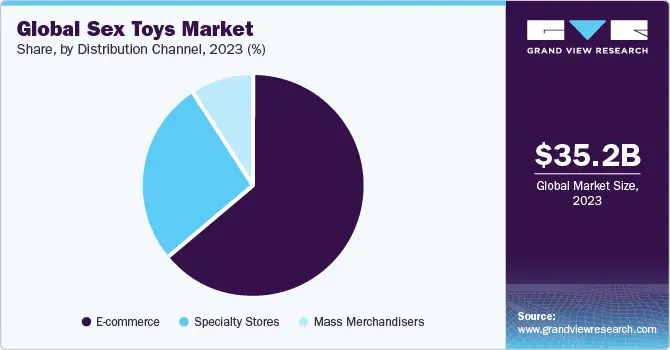
The sex toys industry has become part of the global wellness economy and shows steady long-term growth.
- Market size
Valued at about USD 35.2 billion in 2023, the market is expected to expand strongly toward 2030. - Product range
Covers vibrators, couples’ toys, anal products, and smart devices. Demand is highest where pleasure links with wellness benefits such as stress relief and intimacy support. - Technology impact
App-connected and customizable features let users adjust patterns and even enjoy remote play. These tools bring new users into the market and move the category into the mainstream. - E-commerce growth
Online platforms offer privacy, wide choice, and convenience, especially in regions with limited physical stores. This is why brands increasingly compete with one another in international level. - Cultural shift
Once niche, sex toys are now widely accepted. With safer materials, more awareness, and open conversations about sexual health, the industry is positioned for long-term global expansion.
II. Key Trends Shaping the Industry
The global sex toys market is growing fast because of a few clear trends. These shifts show how products move from taboo items to everyday wellness tools.
1. Sexual wellness as self-car
Intimacy and pleasure are increasingly seen by more as integral to both mental and physical health. Sex toys (vibrators, lubricants and the like), among other items are not just for fun; they can also make relieve stress, get better sleep and have stronger relationships.
2. Smart design and AI-driven feature
Sex toys are more than just vibrating. Many are new models that connect to apps or respond to voice or touch, and even use AI to learn a user’s preferred patterns. What this does it makes the experience more individual and back up long distance intimacy. Meanwhile brands emphasize data privacy and secure connections, because trust is the holy grail of modern consumers.
3. Wider social acceptanc
Many areas are more open about discussing sexual health. This debunks the stigma and empowers first-time shoppers, including many young people who have come of age surrounded by digital and wellness entrepreneurs.
4. E-commerce as the main channe
Internet shopping offers privacy, diversity and quick delivery. Mobile-first platforms are bringing new consumers into the fold in ecosystems such as Asia Pacific and Latin America that may have previously had relatively restricted choices.
5. Focus on safety and desig
Gone are the days of not caring, consumers want body-safe goods, they want quiet motors and ergonomically styled toys. Medical-grade silicone, water- resistant designs and rechargeable batteries are increasingly the norm.
III. Leading Product Segments (Form Factor)
- 1. External stimulators
Bullets, air-pulse/clitoral suction, and wands. Easy to start, strong repeat purchase. Quiet motors and soft tips matter most. Growth led by air-pulse and mini wands. - 2. Internal vibrators
Insertable designs including G-spot models. Buyers look for shape fit, smooth finish, and steady power at low noise. Sizes and flexibility drive comfort. - 3. Dual-stimulation (“rabbit”)
Internal + external in one device. A favorite among users who want less skus and more options. It’s all about ergonomics and angle control, the two critical factors when it comes to comfort. - 4. Anal toys
Plugs and prostate massagers. Safety flanges, smooth edges, and easy cleaning are must-haves. Entry sizes and starter kits bring in new users. - 5. Penile toys
Strokers, cups, and rings. Demand splits between travel-simple sleeves and higher-spec suction or texture. Rings focus on comfort, battery life, and easy charge. - 6. BDSM
Restraints, blindfolds, paddles. Niche-but-devoted user base; a frequent basket add-on. - Other cross-category demand drivers (not category)
1. Smart/app & AI trends: User profiles, remote play, session memory. Trust requires data privacy and secure links.
2. Quiet & waterproof: Bedroom-safe sound and easy cleaning are all part of the new standard.
3. Temperature & materials: Warming to 38–40°C and medical-grade silicone improve feel and comfort.
4. Battery & charging: Magnetic ports, fast charge and runtime visibility that minimises returns.
IV. Innovation in Pleasure Tech
Sex Tech is also changing the way sex toys are constructed and felt. Across categories, shoppers now want features that allow them to make the experience feel more personalized, safe and connected.
- App & AI control – Toys learning the user pattern or support to connected partner online are on hike. Remote play has become the norm for couples.
- Comfort features – Silent motors, waterproof builds, and warming functions are now the norm for all mid to high-end products.
- Material & safety – Your health is our priority; medical – grade silicone and seamless design for a safe and easy-to-clean experience.
- Privacy & security – As toys become more digital, secure data connections and transparency of privacy policies are crucial to consumer trust.
These innovations demonstrate that pleasure tech is no longer just about vibration. It is not just around design, well-being and digital trust—and this is the wave that will take the industry to its next cycle of growth.
V. Regional Insights
The sex toys market shows different growth patterns across regions. Each region is shaped by culture, income, and access to e-commerce.
1. North America
- The world’s biggest market, still accounting for more than a third of global revenue.
- Shoppers are partial to premium, body-safe and app-connected playthings.
- E-commerce dominates, providing the privacy and breadth of selection people have come to expect.
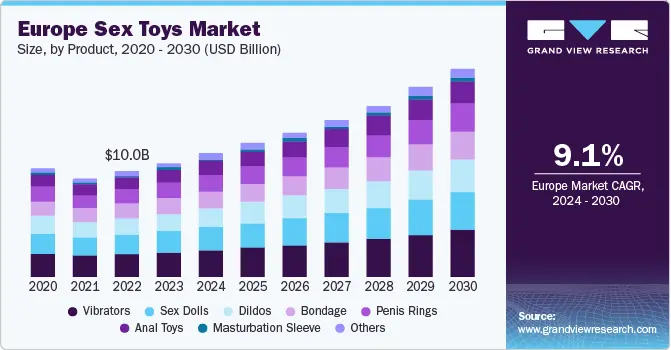
2. Europe
- A relatively mature but stable market with Germany, UK and France in the lead.
- Attention on safety (CE, RoHS) and environmental protection.
- Growth comes from wand vibrators, BDSM equipment and inclusive design.
3. Asia Pacific
- The fastest growing, thanks to young, tech-savvy consumers in China, Japan and South Korea.
- Local factories make prices competitive, while global brands present themselves as upscale.
- Australia sees increasing demand for couples’ toys and health-focused tools.
4. Latin America
- Momentum building in Brazil, Mexico.
- Cultural mores are changing, but privacy and a way to discreetly receive the goods still matter.
- High demand for vibrators and anal toys with an increasing interest in “smart” products.
5. Middle East & Africa
- Not yet a significant share of the global market because of cultural barriers.
- Online is paramount where there are laws allowing sales, providing a private point of access.
- South Africa is most open, but gulf states are conservative.
VI. Innovation Beyond Technology
Not all of the innovation around sexual wellness has something to do with digital bells and whistles. New values in health, sustainability and inclusivity also shape growth.
- Health focus – Pelvic floor-training toys, menopausal comfort products and stress-relief designs are connecting with the older wellness-focused crowd.
- Eco-awareness – Recyclable packaging, safer silicone and longer battery life as brands take steps to reduce waste.
- Inclusive design – Products are now being designed to meet the needs of various genders, body types and abilities; sexual wellness has become more widely available.
These changes indicate that innovation in this category is moving beyond tech upgrades. It is also about meeting different needs and reflecting what consumers care about in life.
VII. E-Commerce and Consumer Behavior
- E-commerce leads global sales
By 2023, internet platforms accounted for just over two-thirds of worldwide sex toy sales. E-commerce is selected by buyers who want privacy, a wide selection and fast service. Amazon and specialist sites dominate in North America and Europe. Mobile-first platforms in Asia Pacific and local marketplaces in Latin America are propelling rapid expansion. - Changing buyer behavior
Consumers now do their research before purchasing — they read reviews, watch product videos, compare features across the internet. Discreet packaging and transparent product information help first-time buyers feel more comfortable. Younger adults in particular are active, often swayed by social media and wellness conversations. - Social media as a driver
Instagram, TikTok and those wellness blogs help normalizing sexual health. Influencers and educators help break down stigmas and shape buying decisions. These viral trends also lead to sales increases for specific products, including app-controlled toys. - Keys to success
The brands that do win online bring together user-friendly websites, responsive support and reliable shipping. The educational content and honest reviews help earn trust and brand loyalty.
The e-commerce move is not a temporary one. It’s an indelible shift in how people discover, evaluate and buy sexual wellness products.
VIII. Forecast: What to Expect by 2030
The sex toys industry is becoming more mainstream, evolving through innovation, digital commerce and looser attitudes toward intimacy. Accelerated gains will also come from Asia Pacific and Latin America, while North America and Europe are forecast as premiums strongholds.
Sexual wellness will join fitness and mental health as an appendage of routine care, by 2030. The industry is growing not only larger but also more meaningful — providing safer, smarter, and more inclusive ways for people to connect with their bodies and partners.
IX. FAQ
The market is estimated at some USD 35 billion by the end of 2023 and should retain a steady YOY growth rate of approximately 9% for the period till year 2030. That makes it one of the faster growing sections of the broader wellness economy.
Asia Pacific leads in growth. Ineling is being fueled by tech-savvy young consumers in China, Japan and South Korea — with plenty of help from e-commerce and local manufacturing.
Premium toys are still based in North America and Europe. Buyers here are looking for body-safe materials, app-connected capabilities and trusted brands. In Germany and the UK in particular, wand vibrators and inclusive design are in high demand.
Shoppers also increasingly want to ensure that toys are safe, as well as quiet and easy to clean. Favoured add-ons are app control, AI personalisation, waterproof materials and heating abilities. Discreet packing, and understood privacy protection make such tactics a determining factor to purchase.
Yes. Online sales already represent more than two-thirds of global purchasing. Shoppers in turn look to e-commerce for privacy, choice and speed, platforms like Amazon, Tmall and Mercado Libre continue to guide how products are discovered and brought into consumers’ hands.