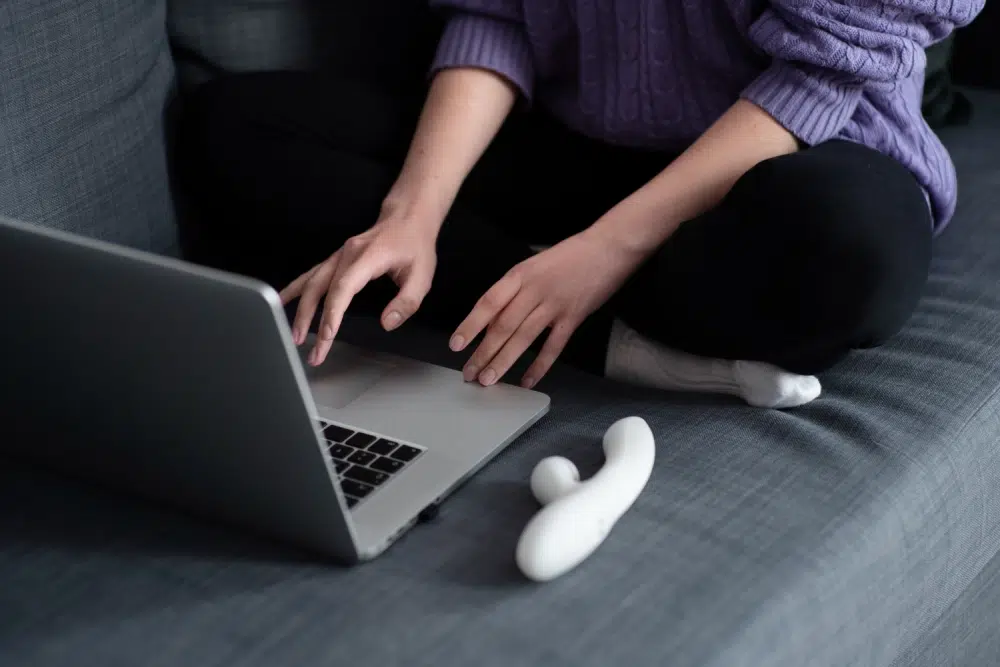
SEX TOY BATTERIES: A PRACTICAL GUIDE FOR BRANDS AND BUYERS

Sex Toy Battery Basics
Sex toy battery questions usually **appear** at the worst time: when you’re ready to use it and it won’t charge. This guide explains why that happens and how to prevent it—battery types, real-world specs, charging methods, and safe use tips.
Battery types used in sex toys
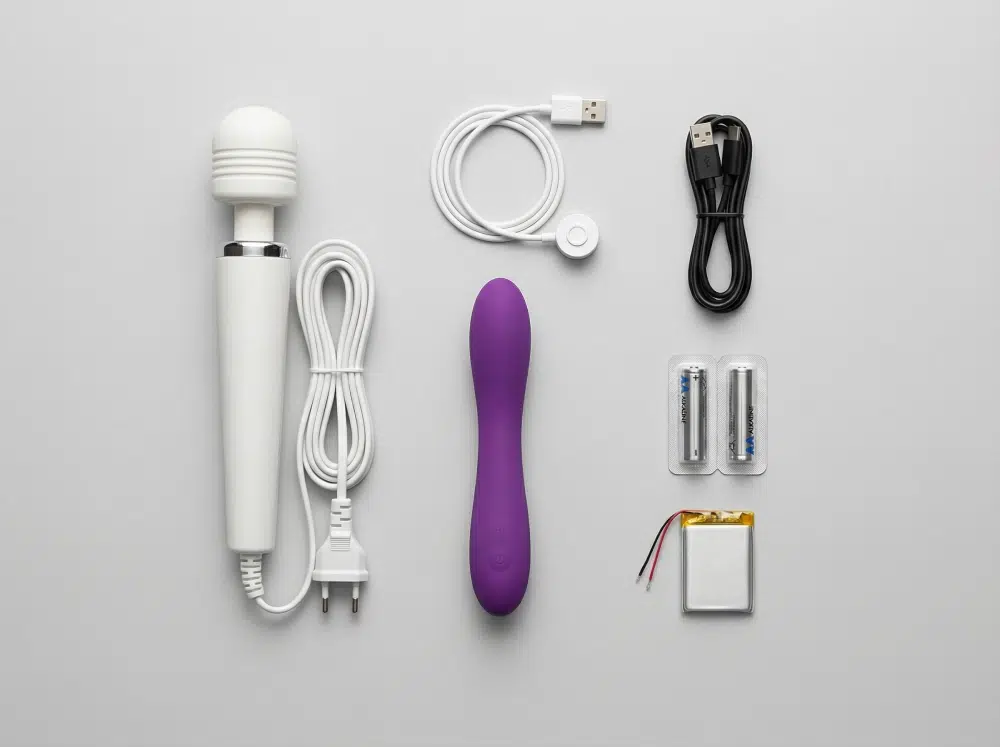
Rechargeable Li-ion / Li-polymer
As electronic devices, most premium vibrators, use built-in Li-ion batteries (often Li-polymer).
Benefits:
- Sealed electronics for easier cleaning and better waterproofing design potential
- Stable output for consistent vibration patterns
- Lower long-term cost vs. disposable cells
Trade-offs:
- Runtime varies by motor power and intensity (not just mAh)
- Capacity gradually decreases over time (normal aging through charge cycles)
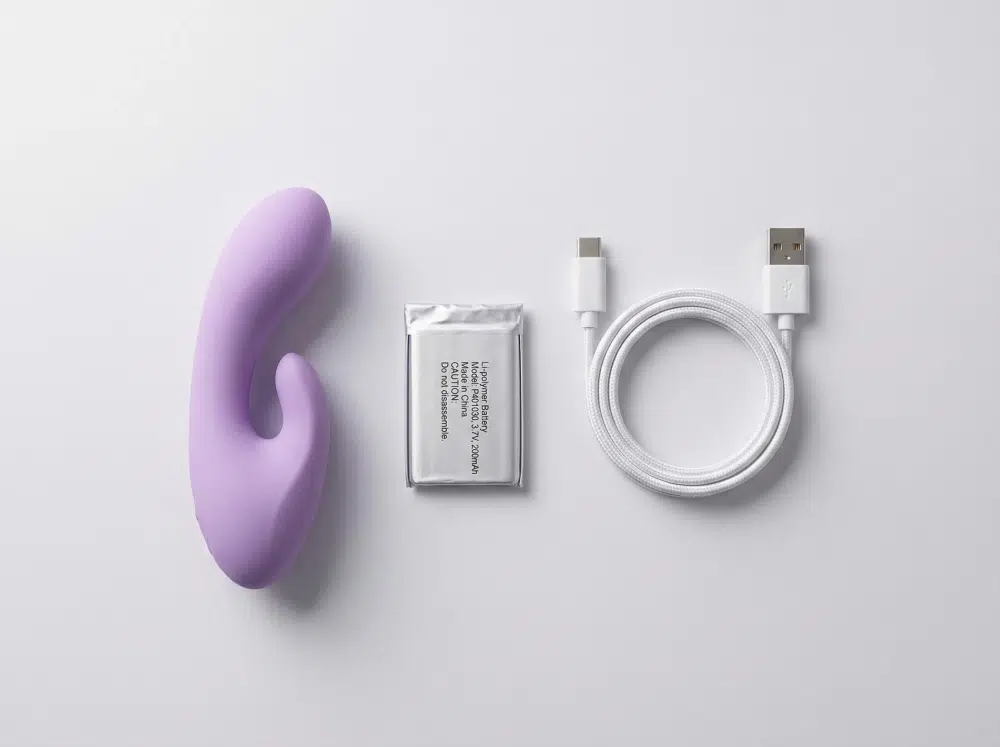
Replaceable cells
Some entry models, older vibrators, or accessories may use AA/AAA cells. These batteries include: alkaline batteries or NiMH batteries / rechargeable AA batteries.
- Pros: easy to swap instantly
- Cons: higher leak risk (especially alkaline), less ideal for sealed waterproof builds, inconsistent output with cheap cells
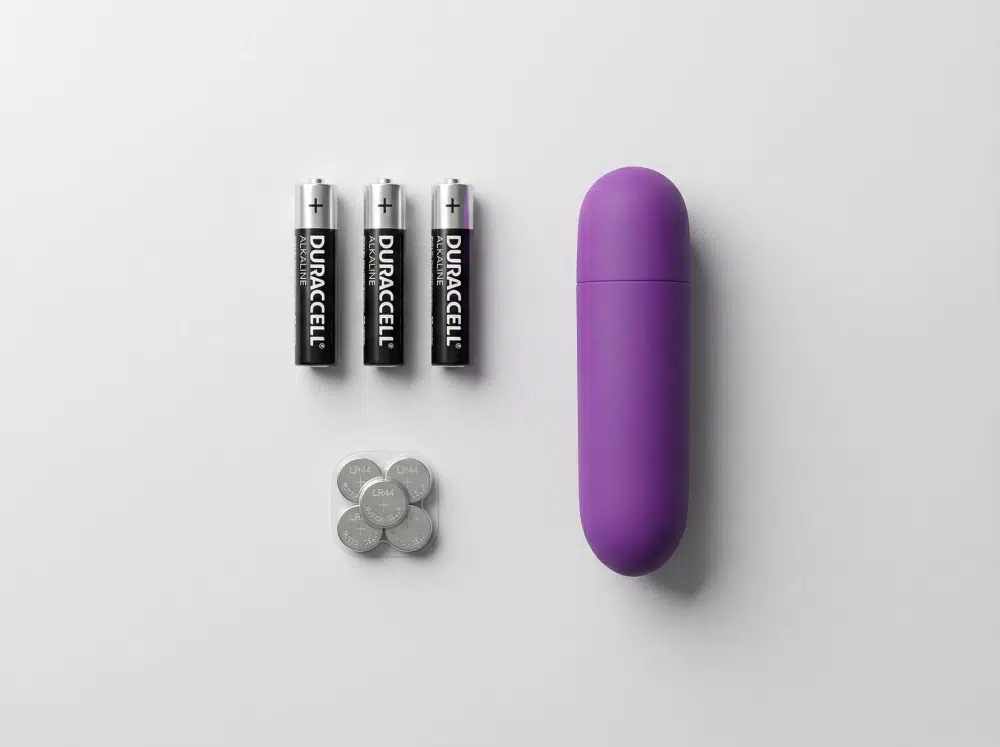
Mains-powered
High-power wand styles (including some wired wands, sex machines) will use plug-in power.
- Pros: strong output, no waiting for charging
- Cons: not designed for water use; corded use requires more safety messaging and clear warnings
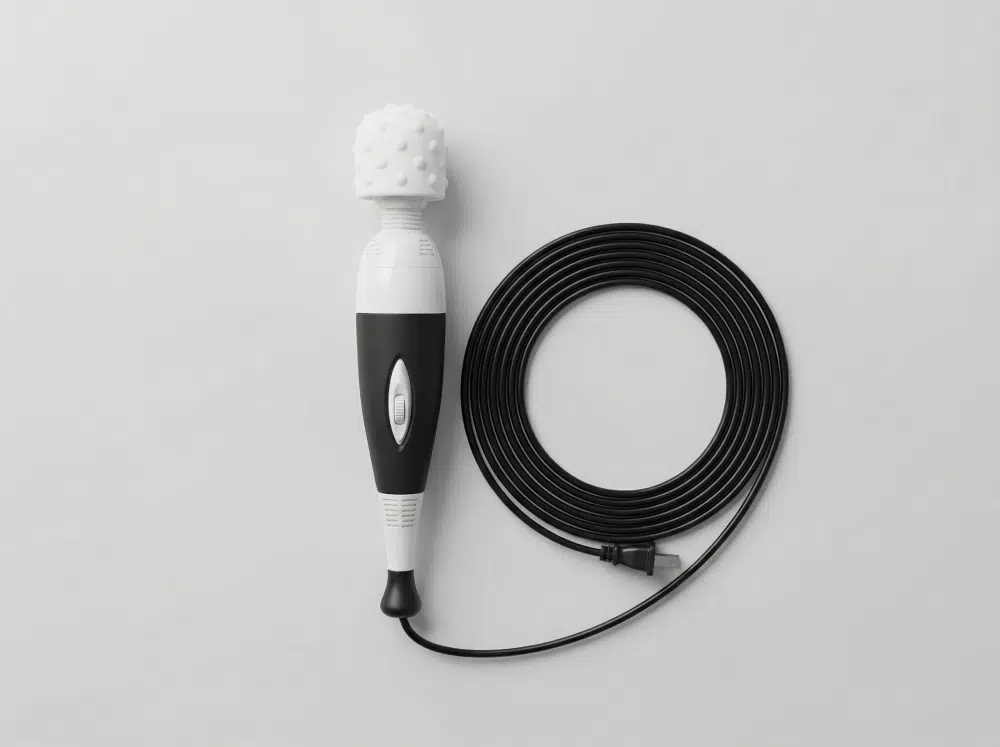
Power systems used in Gaia designs
Across Gaia’s product lines, power options include: rechargeable batteries, replaceable cells, and plug-in. For most modern, high-power electronic sex toys—especially vibrators—we commonly use Lithium ion battery. This type of battery offers stable performance, sealed-build flexibility, and convenient recharging.
Battery spec card
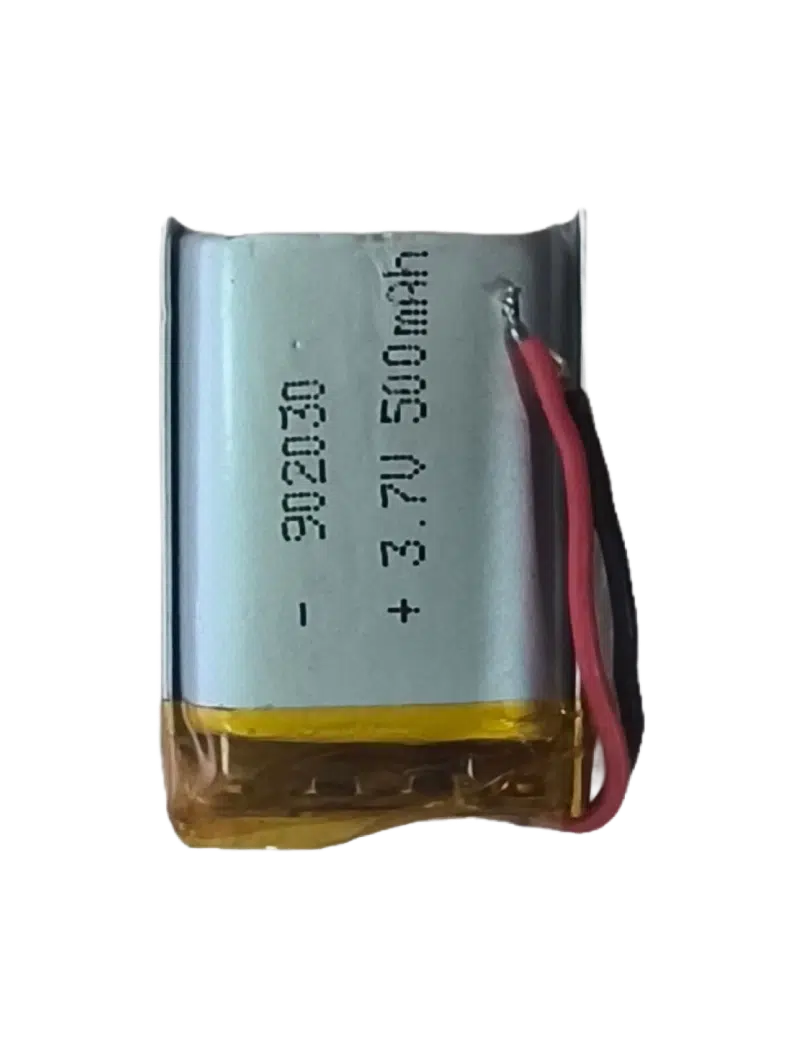
- Form factor: Li-polymer pouch (e.g., 902030)
- Nominal voltage: 3.7V
- Capacity: ~500mAh
- Charging voltage: 4.2V
- Typical full charge time: ~1–1.5 hours
- Typical lifetime: ~300 charge cycles
- Battery power (runtime): 60–120 minutes at maximum intensity per full charge
What “500mAh” actually tells you
Capacity (mAh) does not equal a fixed runtime. Runtime depends on:
- Motor power and load
- Vibration intensity and pattern
- Temperature (cold environments reduce performance)
- Control electronics and protection strategy
How brands should write runtime and charging claims
The sex toy market is becoming more open and more active. And for customers, the “power” behind every small device is the battery or power system inside. Clear, compliant wording helps build trust—and makes it easier for customers to say yes.
Recommended listing / manual wording
- Charging: Fully charges in about 1–1.5 hours (typical).
- Runtime: Runtime varies by intensity and pattern. Max intensity: over 60 minutes and under 120 minutes per full charge.
- Battery aging: Rechargeable batteries naturally lose capacity over time. After many charge cycles, runtime may decrease.
Why this works:
Customers compare experiences. Accurate claims lead to fewer returns and better reviews.
Charging methods:
magnetic vs pin vs USB-C vs plug-in
Different charging designs create different user behaviors—and different support tickets.
Pros:
- No open charging port; supports clean exterior design
- User-friendly when aligned correctly
Common issues (and how to prevent them):
- Misalignment: magnets must sit flat and fully contact
- Dirty contacts: oil/lube residue can block charging
- Wrong adapter: unstable output or some fast chargers may not work properly, which can cause charging failures.
Pros:
- Simple and reliable; common for many compact toys
- Clear “connected” feel when inserted
Common issues:
- Pins not fully seated
- Bent pins or damaged rubber cover
- Charging while wet (risk of corrosion)
Pros:
- Familiar to users, easy to replace cable
Considerations:
- An open port requires stronger sealing strategy; user must keep the port dry
Pros:
- High and consistent power
Safety notes:
- Not intended for water exposure
- Clear cable and adapter instructions are essential
30-second troubleshooting checklist
If it won’t charge
- Confirm the product is dry and turned off
- Try a different 5V power adapter (avoid unstable fast-charge sources if issues occur)
- For magnetic charging: align fully, clean contacts, remove any protective film
- For pin charging: re-seat firmly, check pin alignment
- If the device becomes hot while charging: stop immediately and isolate safely
If runtime feels shorter than expected
- Check intensity (max modes drain fastest)
- Temperature: cold storage can reduce available capacity
- Battery aging: capacity decreases after many charge cycles
- Heavy load: stronger pressure can increase power draw
If it overheats during use or charge
Stop using/charging immediately, place it on a non-flammable surface, and contact support.
Essential Safety Compliance & Usage
Quick Safety Checklist
- Stick to the cable that comes with it, or a replacement you know matches the specs.
- Keep charging contacts/ports clean and dry. Do not charge while wet.
- Keep the battery away from heat, direct sunlight, and fire.
- Prevent short circuits: do not let metal objects (coins/keys) touch the charging contacts.
- Stop use/charging immediately if the product becomes too hot, smells odd, swells, or leaks.
Battery Safety Instructions
Follow these tips to lower the risk of overheating, leaks, fire, or injury.
- Charging cable: Use the charging cable supplied with the vibrator. If you need a replacement, use a reliable cable/charger that matches the specifications.
- Contact with battery liquid: If battery liquid touches your skin or gets in your eyes, rinse at once with plenty of clean water. Seek medical attention as soon as possible.
- Disposal: Dispose of or recycle used batteries according to local (country/region) regulations. Do not dispose of batteries in household waste where prohibited.
- Impact and damage: Do not drop the battery/product, crush it, or puncture it with sharp objects. This may damage the battery and cause overheating or leakage.
- Prevent short circuits: Keep the charging contacts away from metal objects. Short circuits may cause rapid discharge, overheating, or leakage.
- No disassembly: Do not attempt to disassemble, modify, or repair the battery or product yourself. Doing so may be hazardous and can damage the vibrator.
- Heat and fire: Do not heat the battery or throw it into fire. Risk of explosion or fire.
- Storage conditions: Do not store the battery/vibrator in high-temperature environments or under direct sunlight.
- Abnormal heat: If overheating occurs during charging or use, stop charging or using at once. Place the product on a non-flammable surface. Contact customer support.
- Before disposal of the device (for rechargeable-battery devices):
- Before discarding the device, the battery must be removed by qualified service personnel (where applicable).
- The device must be switched off and disconnected from power before battery removal.
- Follow your local recycling rules when you’re ready to throw it away.
Storage
Store batteries away from heat and direct sunlight
Shipping
Prevent compression and short-circuit risks during transport
Disposal
Follow local regulations for battery recycling and disposal
Paperwork
For B2B orders, the paperwork can vary by shipping route and carrier
FAQ
Most vibrators use one of three power options: built-in rechargeable batteries, replaceable batteries, or plug-in power. The best choice depends on the product size, waterproof goals, and the power level you want.
For many of high-output vibrators, we use Li-polymer rechargeable batteries. A type of lithium-ion/Li-ion battery.
Common options include magnetic charging, two-pin charging, and USB-C direct charging for rechargeable models. Some high-power wand styles are plug-in (mains powered) instead of rechargeable.
“902030” is a size code for a Li-polymer pouch cell. It roughly describes the battery’s dimensions (about 9 mm × 20 mm × 30 mm). Adult toy makers often use this rechargeable battery in many types of vibrators. It fits slim designs and also provides steady power.
Not recommended. Rechargeable batteries last longer with normal charging habits and safe storage.
No. Users shouldn’t take built-in batteries apart, because it can be unsafe.
Many remote controlled designs add electronics overhead; runtime still depends mainly on motor power and intensity.
Ready to build a better battery experience?
Ask for a quick battery and charging check for your next model.